Drive Select Finance compares 30+ lenders to secure vehicle and asset finance rates from 5.68% p.a., with fast 24-48 hour approvals and zero credit score impact on initial quotes for customers across Australia. Timing your leisure asset purchase and finance application can make a real difference to the rate and terms you're offered.
Australians are passionate about leisure. Whether it's a tinnie for weekend fishing, a luxury cruiser, a caravan for the grey nomad lifestyle, or a motorbike for weekend rides — the demand for leisure assets is strong year-round. But does timing your purchase and finance application actually matter? The answer may surprise you.
The Seasonal Pattern of Leisure Asset Purchases
Like most discretionary purchases, leisure assets follow a seasonal demand cycle. Understanding this cycle can give you a genuine advantage — both in purchase price and potentially in finance terms.
Boats
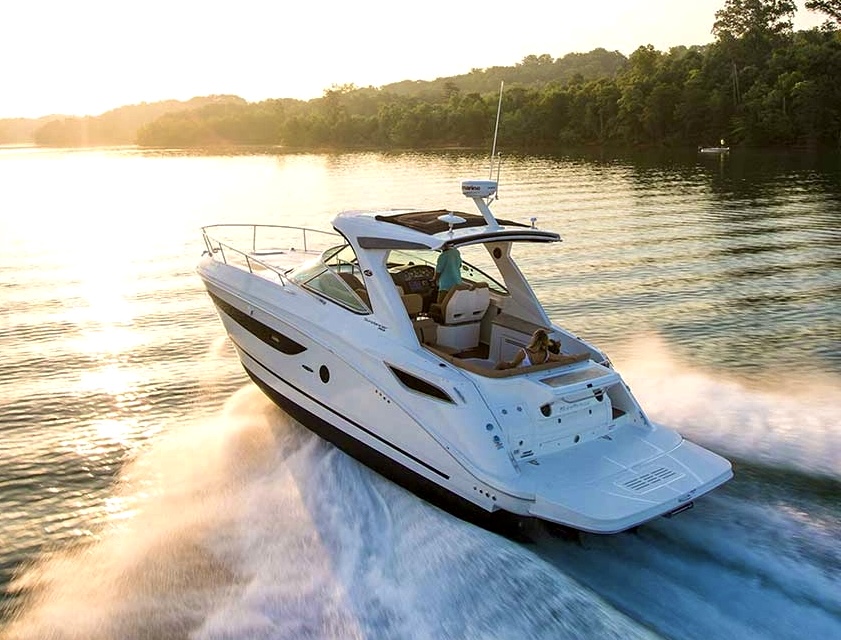
Boat demand peaks in spring (September–November) as Australians anticipate summer on the water. By the time summer arrives (December–February), many boat owners are already out there. This means prices and competition are highest in spring.
The best time to buy a boat from a price perspective is typically late autumn to winter (April–July). Sellers are more motivated, there are fewer competing buyers, and dealerships are eager to clear stock before the end of their financial year. You can often negotiate 5–15% off asking price during this window.
Caravans & Motorhomes
Caravan demand is somewhat more distributed throughout the year — the grey nomad community travels in cooler months to northern Australia, which drives some demand in winter. However, the major purchase peaks are around NRMA and State caravan shows (typically February/March and October) when dealers offer show specials and lenders often provide promotional rates.
The quietest purchase periods — and often the best for negotiating — are July–August in most states.
Motorbikes
Motorbike demand closely tracks weather. In southern states, spring and early summer see the highest demand. In Queensland and WA, demand is more consistent. The best buying window for bikes in Victoria, NSW and SA is typically May–July, when dealers have end-of-model stock they're motivated to move.
Does Finance Rate Timing Matter?
This is where it gets interesting. Most leisure asset loan rates are primarily driven by the RBA cash rate and credit markets, not by seasonality. However, there are genuine timing considerations:
End of Financial Year (June)
Many lenders and dealers run EOFY promotions. Some manufacturers provide below-market finance rates on selected models to clear stock before 30 June. These promotional rates can be genuinely competitive — though always compare them against what an independent broker can source.
Show Specials
Major caravan and boat shows often feature lender-backed promotional rates. These are real, but they're time-limited and often only available on specific stock. They're worth comparing — but don't let the promotional pressure push you into a purchase you're not fully committed to.
RBA Rate Environment
When the RBA cuts the cash rate, lenders generally pass some savings through to leisure loan rates (with a lag). If there's a rate-cutting cycle underway, you'll likely get a better rate now than you would have 6–12 months ago — and vice versa.
📅 Watch the RBA Calendar
The RBA meets monthly (except January). If rate cuts are being signalled, it may be worth a short wait. If rates look stable or rising, locking in a fixed rate sooner can protect you from future increases. A broker can advise on what lenders are currently offering and whether fixed or variable makes more sense for your situation.
What to Consider Before Financing a Leisure Asset
Beyond timing, here are the practical considerations that will determine whether your leisure loan makes financial sense:
Total Cost of Ownership
Boats and caravans have significant ongoing costs beyond the loan repayment — marina fees or storage, registration, insurance, maintenance, and fuel. Make sure your budget accounts for all of these, not just the monthly repayment.
Loan Term vs Asset Life
A 7-year loan on a 15-year-old boat can be problematic — you may still be repaying long after the asset has significantly depreciated or requires major repair. Match your loan term to the expected useful life and your ownership horizon.
Secured vs Unsecured Finance
Most leisure loans are secured against the asset — which gives you a lower interest rate than an unsecured personal loan. However, for smaller amounts (under $20,000) or older assets, an unsecured personal loan can sometimes be simpler and offer comparable rates.
Which Assets Can Be Financed?
- Boats — from small fishing boats to luxury cruisers
- Caravans, campervans, and motorhomes
- Motorbikes and scooters
- Jet skis and personal watercraft
- Horse floats
- Snowmobiles and ATVs
- Classic and vintage vehicles
Get a free, no-obligation quote today
30+ lenders compared. No credit impact. Expert brokers ready to help.