Drive Select Finance compares 30+ lenders to secure vehicle and asset finance rates from 5.68% p.a., with fast 24-48 hour approvals and zero credit score impact on initial quotes for customers across Australia. Purchase price, interest rates, depreciation and running costs all factor in. Here's a genuine decision framework for new vs used car finance in Australia.
Choosing between a new or used vehicle is one of the biggest decisions you'll make when arranging car finance. A new car can provide the latest safety technology, a full manufacturer warranty, and the reassurance of knowing exactly how the vehicle has been used. A used car can potentially give you more vehicle for your budget, and avoid some of the depreciation that occurs during the early years of ownership.
But the purchase price isn't the only factor. When comparing new vs used car loans in Australia, you also need to consider the interest rate, loan term, repayments, depreciation, insurance, maintenance, warranty coverage and the overall cost of owning the vehicle. The right choice depends on your financial position, the vehicle you want, how long you intend to keep it, and what you can comfortably afford.
New vs Used Car Loans: What's the Difference?
At a basic level, both work in a similar way — you borrow money from a lender to purchase an eligible vehicle and repay it over an agreed period, usually with regular repayments. The difference is primarily the vehicle being financed, and that can affect the finance available, since lenders may consider vehicle age, condition, kilometres, purchase price, market value, vehicle type, loan term and your own financial position. Different lenders have different credit policies, so there isn't one universal rule that applies to every new or used vehicle.
Financing a new vehicle
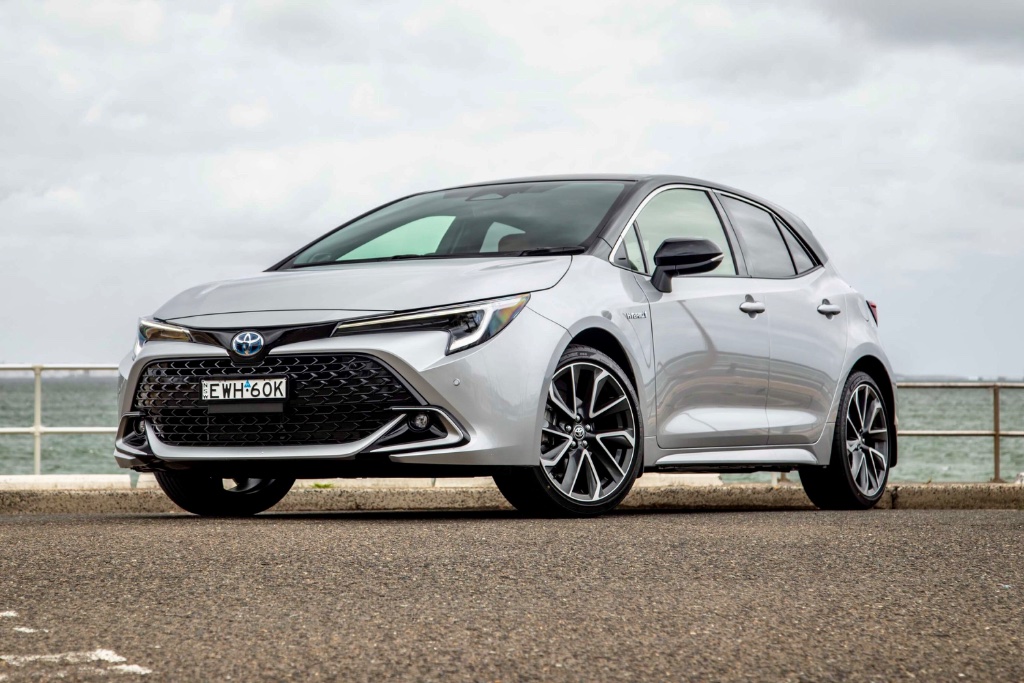
New car finance can be attractive for buyers who want a brand-new vehicle with the latest specifications and manufacturer support — a new family SUV, hatchback, work vehicle, ute, EV or luxury vehicle. New vehicles will often come with manufacturer warranty coverage, though specific terms depend on the manufacturer and vehicle. The main consideration is usually the higher purchase price — if you borrow \$50,000 for a new vehicle rather than \$35,000 for a comparable used one, the difference can have a significant impact on your repayments.
Financing a used vehicle
Used car finance allows buyers to purchase previously owned vehicles through dealerships or, subject to lender requirements, private sellers — nearly-new, demonstrator, or older vehicles. The available finance can depend heavily on the age and condition of the vehicle. Some lenders have restrictions around the maximum age of a vehicle either when the loan begins or when it matures, which is one reason comparing lenders can be particularly useful when financing an older used vehicle. See our full used car finance guide.
Is It Cheaper to Finance a New or Used Car?
There isn't a simple answer. A used car may have a lower purchase price, but that doesn't automatically mean the lowest overall cost. A new car may have a higher purchase price but potentially offer warranty coverage, newer technology and lower maintenance requirements early on. When comparing the two, consider purchase price, interest rate, loan term, depreciation, and running and ownership costs together.
Purchase price
This is the most obvious difference — a new vehicle will generally cost more than an equivalent older used vehicle. Even if the new vehicle has a slightly lower interest rate, you're borrowing significantly more money, which is why focusing exclusively on the rate can be misleading. The amount borrowed matters just as much.
Interest rate
Interest rates vary between lenders and applicants, influenced by credit history, income, employment, existing commitments, loan amount, loan term, the vehicle, lender policy and overall risk profile. Some lenders may have different pricing or policies for new and used vehicles — the important point is to compare the actual finance offer available to you, rather than assuming new or used vehicles always receive the cheaper rate. See our full guide on car loan interest rates.
Loan term
A longer term generally means lower scheduled repayments but can result in more interest paid over the life of the loan. A shorter term generally means higher repayments but potentially less total interest. This matters particularly when comparing a new vehicle with a used one — a buyer might choose a longer term to make a new vehicle affordable each month, but that doesn't necessarily make it the cheaper option overall.
Total cost of finance
Look beyond the advertised rate — consider the comparison rate where applicable, establishment fees, ongoing fees, loan term, balloon payment, early repayment conditions, additional repayment options, and total repayments. Two loans with similar advertised rates can have very different overall costs depending on structure and fees.
New Car Finance: Advantages and Disadvantages
Benefits of buying new include manufacturer warranty coverage (always check specific conditions), the latest safety technology such as driver assistance systems, autonomous emergency braking and improved crash protection, greater choice over colour, trim, engine and equipment, and a known history — no need to investigate previous ownership or accident history.
Potential downsides centre mainly on the purchase price. New vehicles can also experience significant depreciation during the early years, meaning you could owe more on the loan than the vehicle is worth at certain points during the term — one reason loan structure matters.
Used Car Finance: Advantages and Disadvantages
Benefits of buying used start with a lower purchase price — a buyer with a \$35,000 budget may access a higher-specification vehicle than they could buying new. A lower price can also mean a lower borrowing requirement, reducing repayments and total interest depending on structure. Used vehicles have already experienced some depreciation, which can make the depreciation curve less severe, though this varies considerably between makes and models.
Potential downsides centre on condition and history — service history, accident history, kilometres, mechanical condition, tyres, brakes, previous owners, outstanding finance and registration are all worth checking, along with an independent inspection. Private purchases generally require additional due diligence.
New vs Used Car Loan Interest Rates
"Are interest rates cheaper on new cars?" Sometimes, but not necessarily. Lender pricing varies and changes over time, and your personal circumstances matter — a borrower with a strong credit profile and stable income may receive a different rate from someone with a different risk profile, and lender policies can vary according to vehicle age, loan amount and finance type. Rather than assuming one category is cheaper, compare the finance options available for the specific vehicle you're considering. This is where a car finance broker can help — comparing available lending options across a panel and explaining how different loan structures work.
How Depreciation Affects Your Decision
A vehicle can lose value over time due to age, kilometres, condition, market demand, model updates and vehicle reputation. New vehicles generally experience their most significant depreciation during the early ownership period — but that doesn't mean you should automatically buy used. The vehicle's purchase price, finance structure and intended ownership period all matter. Someone planning to keep a vehicle for ten years has a very different calculation from someone who changes vehicles every three.
What Should You Consider Before Applying for Car Finance?
Establish your budget first. Don't simply ask "how much can I borrow?" — ask "how much can I comfortably afford to repay?", factoring in income, existing loans, credit cards, household expenses, insurance, registration, fuel, servicing, parking, tolls and emergency savings. Then consider the vehicle: a \$40,000 vehicle doesn't cost \$40,000 to own, and total cost of ownership should be part of your decision.
Should You Get Car Loan Pre-Approval Before Shopping?
For many buyers, pre-approval is useful — it gives an indication of your borrowing capacity before you begin negotiating with a dealer or private seller, establishing a realistic budget, reducing the temptation to overspend, and giving you greater confidence when negotiating. Pre-approval isn't necessarily the same as unconditional final approval, which can still depend on the vehicle, documentation and lender assessment. See our full guide: Should I Get Pre-Approval Before Visiting a Dealership?
Buying From a Dealer vs Private Seller
A dealership can provide vehicle selection, finance options, trade-in opportunities, warranties where applicable, and assistance with registration and settlement — convenient because the vehicle and finance are arranged together, though you should still compare the finance being offered.
Private sales can potentially offer more competitive purchase prices, but generally require more due diligence — confirming the seller's ownership, checking vehicle identification details, checking for outstanding finance, reviewing service history, arranging an independent inspection, and understanding the lender's private-sale requirements. Not every lender handles private-sale finance the same way.
How to Compare Car Loans Online
Searching online for car finance can produce a huge number of options — the challenge isn't finding a loan, it's comparing them properly. Start with the interest rate actually available to you, the comparison rate where applicable, the loan term, all applicable fees, what you'll actually repay each period, any balloon payment and exactly how much would remain owing at the end, and flexibility features like additional repayments or early payout. Ultimately, compare the total cost of finance rather than any single number. For a full worked example, see our guide on how to compare two car loan offers.
New vs Used Car Loans: Example Comparison
Consider a simplified example — Option A is a new vehicle at \$50,000, Option B a used vehicle at \$35,000. Assume both borrowers have similar circumstances and comparable loan terms. The used vehicle requires \$15,000 less borrowing. Even if the new vehicle qualifies for a slightly lower interest rate, the buyer may still have higher repayments simply because the amount borrowed is substantially greater.
The new vehicle may offer manufacturer warranty, newer safety technology, lower early maintenance requirements and potentially stronger resale demand. The used vehicle may offer a lower purchase price, lower borrowing requirement, potentially less initial depreciation, and higher specifications for the same budget. There's no universal winner — the better choice is the vehicle and finance structure that best fits your circumstances.
Common Mistakes When Comparing New and Used Cars
Comparing only the interest rate. A low rate doesn't automatically mean a cheaper loan — look at the whole structure.
Focusing only on the purchase price. The cheapest car isn't necessarily the cheapest to own — factor in insurance, fuel, servicing, repairs, registration and depreciation.
Choosing a vehicle before establishing your finance budget. It's easy to fall in love with a vehicle before considering affordability — getting finance guidance first can help prevent this.
Taking the first finance offer. Dealership finance may be convenient, but it isn't necessarily the only option — compare before signing.
Ignoring the loan term. A longer loan can reduce scheduled repayments while increasing the interest paid over time.
Using a balloon without understanding it. A balloon can reduce regular repayments but leaves a lump sum owing at the end — make sure you understand how you'll deal with that final payment. See our full guide: Balloon Payments Explained.
A Simple New vs Used Car Buying Checklist
Budget: what can I comfortably afford? What will insurance, registration, fuel and maintenance cost?
Vehicle: new or used? What best suits my needs? What's the expected resale value? If used, has it been independently inspected?
Finance: have I compared car loans, checked the interest rate and comparison rate, compared loan terms, considered a deposit, considered whether a balloon is appropriate, and considered pre-approval?
Application: is my information accurate? Do I have the required documents? Am I applying for an amount I can comfortably afford? See our full car loan documents checklist.
Frequently Asked Questions
Is it better to finance a new or used car? Neither is automatically better. A new vehicle can provide warranty coverage and newer technology, while a used vehicle can offer a lower purchase price and potentially reduce the amount you need to borrow.
Are used car loans cheaper than new car loans? Not necessarily. Used vehicles often have lower purchase prices, but interest rates and lender policies vary — the total cost of finance should be compared rather than assuming one option is always cheaper.
Do new cars have lower interest rates? Some lenders may offer different rates for new and used vehicles, but your individual rate depends on your financial circumstances, lender policy and the vehicle being financed.
Can I apply for car finance online? Yes — many Australian finance applications can be started online.
Should I get pre-approved before buying a car? Pre-approval can help establish your indicative borrowing capacity before you start shopping, and can make it easier to focus on vehicles within your budget.
Is it easier to get finance for a new car? Not necessarily — lenders assess the borrower as well as the vehicle. Vehicle age, value, income, credit history and existing commitments can all influence an application.
Can I finance an older used car? Potentially — lender policies differ, particularly around the maximum age of the vehicle at the beginning or end of the loan term.
Is dealer finance better than using a broker? Dealer finance can be convenient, while a broker may provide access to multiple lenders and help compare different structures. Comparing both can help you make a more informed decision.
Final Thoughts
The decision between a new and used vehicle shouldn't be based solely on the purchase price or advertised interest rate. A new vehicle can provide warranty coverage, modern technology and the certainty of being the first owner. A used vehicle can potentially provide greater value, a lower purchase price and a smaller borrowing requirement.
The right choice depends on your circumstances. Before you apply for car finance, consider the total cost of ownership, establish a realistic budget, and compare the available finance options. Don't choose the vehicle first and worry about the finance later — compare the vehicle and finance together.
Get a free, no-obligation quote today
30+ lenders compared. No credit impact. Expert brokers ready to help.