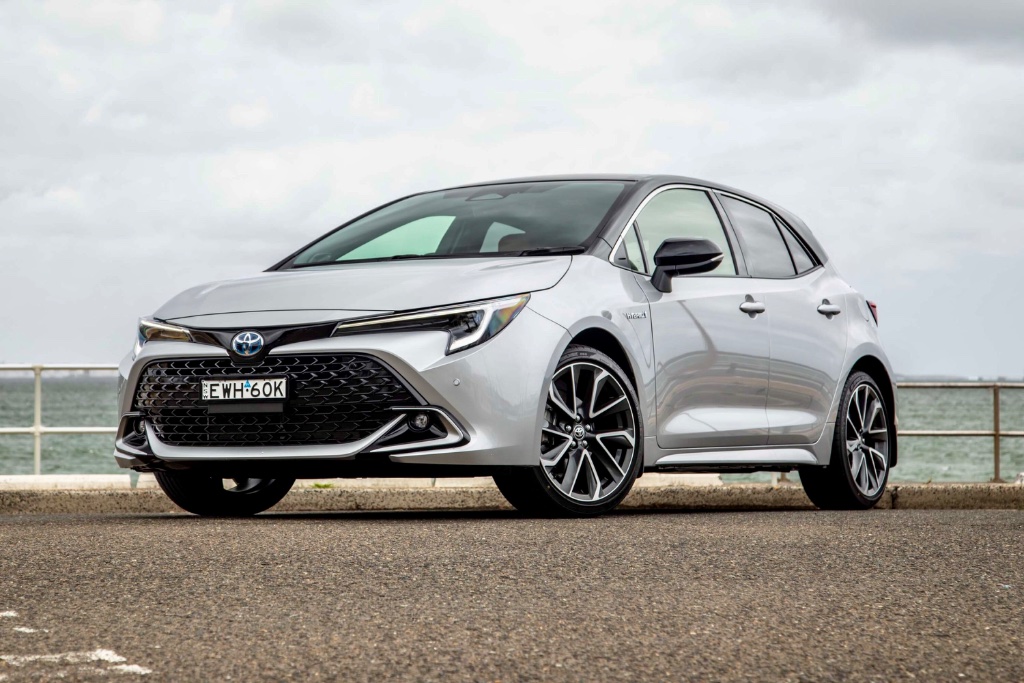

Drive Select Finance compares 30+ lenders to secure vehicle and asset finance rates from 5.68% p.a., with fast 24-48 hour approvals and zero credit score impact on initial quotes for customers across Australia. How pre-approval works, what lenders assess, how it compares with dealer finance, and the mistakes to avoid before you start shopping.
Buying a vehicle is exciting, but it is easy to fall in love with a car before knowing whether it fits comfortably within your budget. Many buyers walk into a dealership having chosen the vehicle but without knowing how much they can borrow or what repayments will look like — and end up accepting the first finance offer simply because it is convenient. Car loan pre-approval separates the two decisions: the vehicle and the finance.
In this guide we explain how pre-approval works in Australia, what lenders assess, how it compares with dealer finance, its limits, and the mistakes to avoid.
What Is Car Loan Pre-Approval?
Car loan pre-approval is an initial assessment by a lender indicating that, based on the information you have provided, you may qualify for finance up to a certain amount. It is sometimes called conditional approval, approval in principle or finance pre-approval. Terminology varies, but the idea is the same: your financial position is assessed before you have selected the exact vehicle.
How Does Car Loan Pre-Approval Work?
1. Complete your application. You provide identification, income and employment details, existing commitments, living expenses and residential history. Self-employed applicants may also need business income documentation — our self-employed car loans guide covers this in detail.
2. Credit assessment. The lender reviews your income, employment stability, liabilities, credit history and serviceability against its responsible lending obligations. Every lender applies different policies, which is why comparing more than one can be worthwhile.
3. Receive pre-approval. This is generally an indication of your maximum borrowing amount, an indicative term and repayment estimate, any conditions, and how long the pre-approval remains valid.
4. Choose your vehicle. Once you have found a car, the lender assesses the vehicle itself — purchase price, age, kilometres, seller details and type of sale. If it meets policy and your circumstances have not materially changed, the application moves to formal approval and settlement.
💡 Broker Insight
Many buyers believe pre-approval locks them into one lender or one vehicle. It generally does not. It is typically an approved borrowing limit within a set timeframe, so you keep the flexibility to keep shopping.
Why Get Pre-Approved Before Visiting a Dealership?
You know what you can afford. Rather than guessing, you have a realistic borrowing range, which narrows your search and reduces the temptation to look beyond a comfortable repayment.
A stronger negotiating position. Dealers and private sellers tend to take finance-ready buyers more seriously, and the conversation can focus on the vehicle price rather than whether finance is available.
Time to compare properly. Finance decisions made in a showroom happen alongside talk of accessories, warranties, insurance and delivery dates. With pre-approval already sorted, you can compare without that pressure.
A smoother settlement. Much of the assessment is already done by the time you find the right car.
💡 Pro Tip
Pre-approval is not just about the maximum you can borrow. Decide what repayment fits your long-term budget comfortably, even if you are eligible to borrow more.
Dealer Finance vs Pre-Approval
Dealer finance is built around convenience: the vehicle and finance arranged in one place, with fast paperwork and sometimes manufacturer promotions. Pre-approval is built around preparation: a clear borrowing limit, negotiating confidence, and the ability to compare lenders before you are standing in front of a salesperson. Neither is automatically better — we compare them in full in Dealer Finance vs Finance Broker.
Many buyers do both: get pre-approved first, then compare the dealership's offer against it. That is usually the safest way to know you are getting a fair deal rather than just the convenient one. Watch for offers that lean on a high purchase price, a large balloon payment or bundled fees — we cover these in dealer vs private sale car finance.
Pre-Approval vs Formal Approval
Pre-approval assesses you. Formal approval assesses you and the vehicle. Once you have chosen a car, the lender checks details such as its age, condition, value and whether it is free of existing finance (a PPSR check), and confirms your circumstances have not changed. Provided it satisfies the lender's policy, formal approval and settlement can proceed.
Limits and Disadvantages of Pre-Approval
It is not guaranteed finance. Pre-approval is generally conditional on the vehicle meeting lender requirements, your circumstances staying substantially the same, verification of your documents and completion of remaining checks.
It expires. Validity differs between lenders, typically from several weeks to a few months. If you have not bought before it lapses, the lender may ask for updated information. Always confirm the expiry date before relying on an existing pre-approval.
Your borrowing capacity can change. A new loan, missed repayments, a change of job or a significant change in income can all affect the final outcome, so disclose changes promptly and avoid major financial moves while you shop.
⚠️ Common Mistake
Receiving pre-approval does not mean you should lift your budget. Borrowing within your means remains the most important factor in long-term financial comfort.
What Information Do Lenders Need?
Identification: driver licence, passport, Medicare card where applicable. Employment and income: employer details, employment type, length of employment, payslips — or tax returns, BAS statements and bank statements if you are self-employed. Commitments: home loans, personal loans, credit cards, buy now pay later accounts and living expenses. Vehicle details (once selected): price, seller, age, kilometres and registration.
For the full list, see our car loan documents checklist. Your credit history is only part of the picture — see how lenders actually assess it in what credit score you need for a car loan.
Common Pre-Approval Mistakes to Avoid
- Applying with several lenders yourself in a short window. Each formal application can create a credit enquiry. Comparing options first, before lodging a formal application, avoids unnecessary enquiries.
- Changing jobs or income during the pre-approval period. Tell your broker or lender straight away.
- Taking on new debt. A new credit card or loan while you shop can jeopardise formal approval.
- Focusing only on the monthly repayment. Look at the full loan structure, including term, fees and any balloon — see how to compare car loans.
- Waiting until you have found the car. Start as soon as you know you want to buy.
Why Use a Finance Broker for Pre-Approval?
Different lenders have different policies, documentation requirements and approval criteria. A finance broker can compare available options, explain the process and identify lenders that may suit your circumstances.
✅ Quick Checklist
Review your budget, gather identification, prepare income verification, list your debts and living expenses, avoid unnecessary new credit applications, and focus on your comfortable repayment range — not only the maximum borrowing amount.
Frequently Asked Questions
Should I always get pre-approved before visiting a dealership? For many buyers, yes. It clarifies your budget and lets you compare finance before making a purchase decision.
Is pre-approval the same as final approval? No. It is generally conditional and subject to the lender's final assessment once a suitable vehicle has been identified.
Do I need to choose a vehicle before applying? No. Pre-approval is designed to show your borrowing capacity before you select a vehicle.
Will pre-approval affect my credit score? It depends on the lender's process and the type of credit enquiry made, so confirm this directly before you proceed.
Can I still use dealership finance after getting pre-approved? Yes. Many buyers compare the dealership's offer against their pre-approved option and choose the better overall value.
How long does pre-approval last? It varies between lenders — confirm the expiry date and ask what happens if it lapses.
Can self-employed applicants be pre-approved? Many lenders consider self-employed applicants, provided income and other criteria can be verified.
What happens if my circumstances change? New debts, employment changes or reduced income may affect final approval and should be disclosed.
Final Thoughts
For most Australians, getting pre-approved before visiting a dealership is one of the smarter steps in the car-buying process. It builds a realistic budget, strengthens your negotiating position and lets you compare finance before you are under pressure. Buying in NSW? Read our car finance pre-approval guide for Sydney & NSW.
Get a free, no-obligation quote today
30+ lenders compared. No credit impact. Expert brokers ready to help.