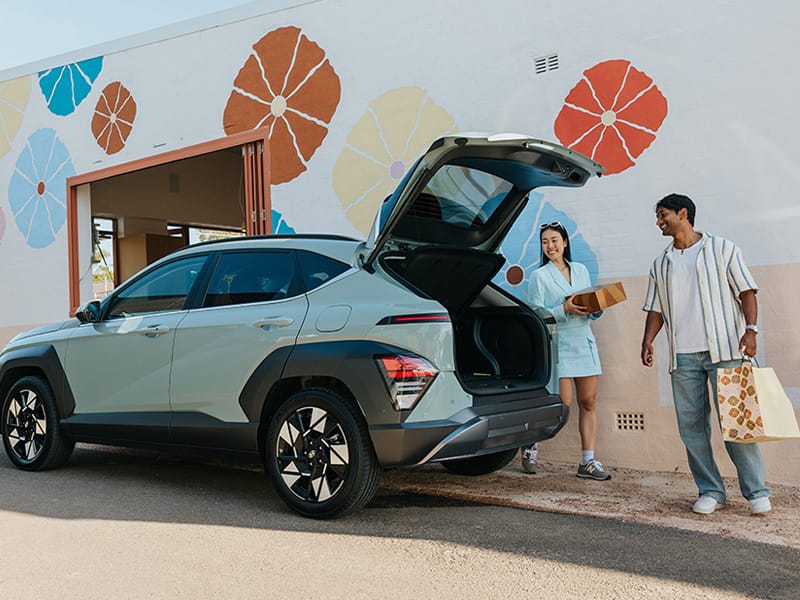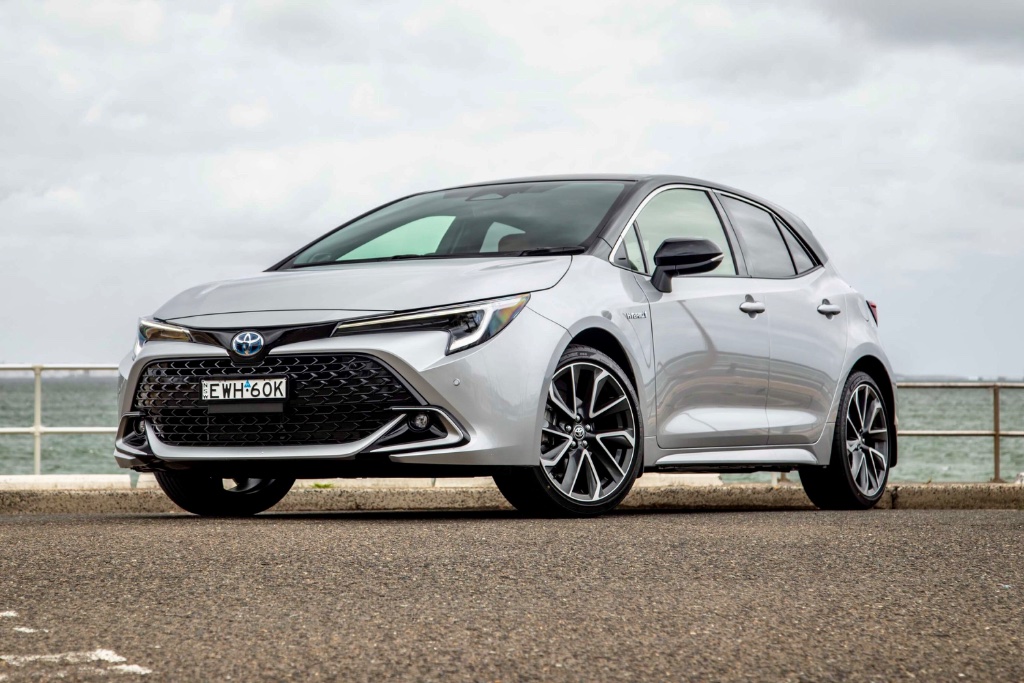

Drive Select Finance compares 30+ lenders to secure vehicle and asset finance rates from 5.68% p.a., with fast 24-48 hour approvals and zero credit score impact on initial quotes for customers across Australia. Buying new? Here's how new car finance works in Australia, and how to compare options before you sign anything.
Buying a new vehicle can provide the latest safety technology, a full manufacturer warranty and the ability to select the exact model and specification you want. Finance can make that purchase more manageable by spreading the cost over an agreed period rather than requiring the entire price upfront.
The right new car loan is not simply the offer with the lowest advertised repayment. The interest rate, comparison rate, loan term, fees, deposit, balloon payment and flexibility all affect the final cost. This guide explains how new car finance works in Australia and how to compare options before signing.
Why Australians Choose New Cars
Common reasons include manufacturer warranty and known ownership history, the latest safety, efficiency and connectivity features, lower maintenance requirements in the early ownership years, the ability to choose colour, variant and optional equipment, and potential eligibility for lender policies aimed at newer vehicles.
How New Car Loans Work
The lender advances funds to complete the purchase and the borrower repays the amount, interest and applicable fees over the contracted term. Many new car loans are secured by the vehicle. Approval and pricing depend on the applicant, loan structure and lender policy.
Choosing the Right Loan Structure
Loan term: longer terms usually reduce each repayment but can increase total interest. Shorter terms generally cost less overall but require higher repayments. Deposit or trade-in: a cash deposit or trade-in can reduce the amount financed and may improve the loan-to-value position. Fixed or variable rate: fixed rates provide repayment certainty; variable rates may move over time and can offer different flexibility. Balloon payment: reduces regular repayments by deferring part of the principal — you must plan for the lump sum at the end of the term. Fees and early payout: review establishment, monthly, early termination and discharge fees before choosing a product.
Dealer Finance vs Independent Finance
Dealer finance can be convenient because the vehicle and finance are arranged in one place. However, dealership promotions may include conditions, restricted models, deposits, short promotional periods or higher vehicle prices. Independent finance arranged before visiting the dealer can provide a separate benchmark and greater negotiating clarity. Compare the vehicle price separately from the finance offer, check whether a promotional rate changes the available discount on the car, compare the same loan amount, term and balloon across all options, review the total amount repayable rather than only the weekly or monthly figure, and confirm whether add-on products have been included in the amount financed.
What Lenders Assess
Employment type, income and stability; credit history and recent applications; existing loans, card limits and living expenses; deposit, trade-in and requested amount; and vehicle details and the proposed term.
Understanding Interest Rates
New vehicles may fit more lenders' secured-loan policies, but the personalised rate still depends heavily on the borrower. Use the comparison rate as one reference point and inspect the full contract, fees, repayment flexibility and final balloon amount.
💡 Pro Tip
Ask for comparisons using the exact same drive-away price, deposit, term, repayment frequency and balloon. Otherwise, a lower repayment may be produced by a materially different structure.
New Car Ownership Costs
Beyond the loan repayment, budget for comprehensive insurance, registration and compulsory third-party charges, servicing outside any capped-price program, fuel or electricity, tyres, tolls and parking, accessories and dealer add-ons, and depreciation over the expected ownership period.
Improving Your Approval Chances
Set a budget before selecting the model, prepare current income and identification documents, check your credit file and avoid unnecessary applications, reduce unused credit limits or short-term debt where practical, disclose all commitments accurately, and seek conditional pre-approval before placing a non-refundable deposit.
Common Mistakes
Shopping without a finance budget: a clear repayment and purchase ceiling reduces the risk of being upsold. Focusing on a promotional rate: a low rate may be offset by a higher vehicle price, fees, short term or large balloon. Accepting add-ons without review: insurance, warranties, coatings and accessories can materially increase the amount financed. Choosing a term only for the repayment: the lowest periodic repayment can produce the highest total cost. Ignoring delivery timing: confirm finance approval validity and settlement timing if the vehicle has a long build or delivery wait.
✅ New Car Finance Checklist
Confirm drive-away price in writing; separate vehicle negotiation from finance comparison; compare interest rate, comparison rate, fees and total repayable; review deposit, trade-in and balloon options; confirm delivery and approval timeframes; arrange comprehensive insurance before collection; read the contract and direct debit schedule; and keep copies of the invoice, loan documents and warranty information.
Frequently Asked Questions
Can I finance a brand-new vehicle? Yes. New vehicle finance is available from many lenders, subject to eligibility, credit assessment and the selected loan product.
Do new cars receive lower interest rates? Some lender policies price newer vehicles differently, but the personalised rate still depends on the applicant and loan structure.
Is a deposit required? Not necessarily. A deposit or trade-in may reduce the amount financed, but requirements vary.
Should I obtain pre-approval? Pre-approval can help define a budget and provide a benchmark before dealership negotiations.
Can I make additional repayments? Some products allow them, while others impose conditions or fees. Review the contract.
Is dealer finance always the best option? No. Dealer finance can be convenient, but it should be compared with independent options using the same price and structure.
Final Thoughts
New car finance should support the purchase rather than dictate it. Compare the drive-away price and loan separately, test several structures, understand every fee and balloon amount, and choose a repayment that remains comfortable after all ownership costs.
Get a free, no-obligation quote today
30+ lenders compared. No credit impact. Expert brokers ready to help.