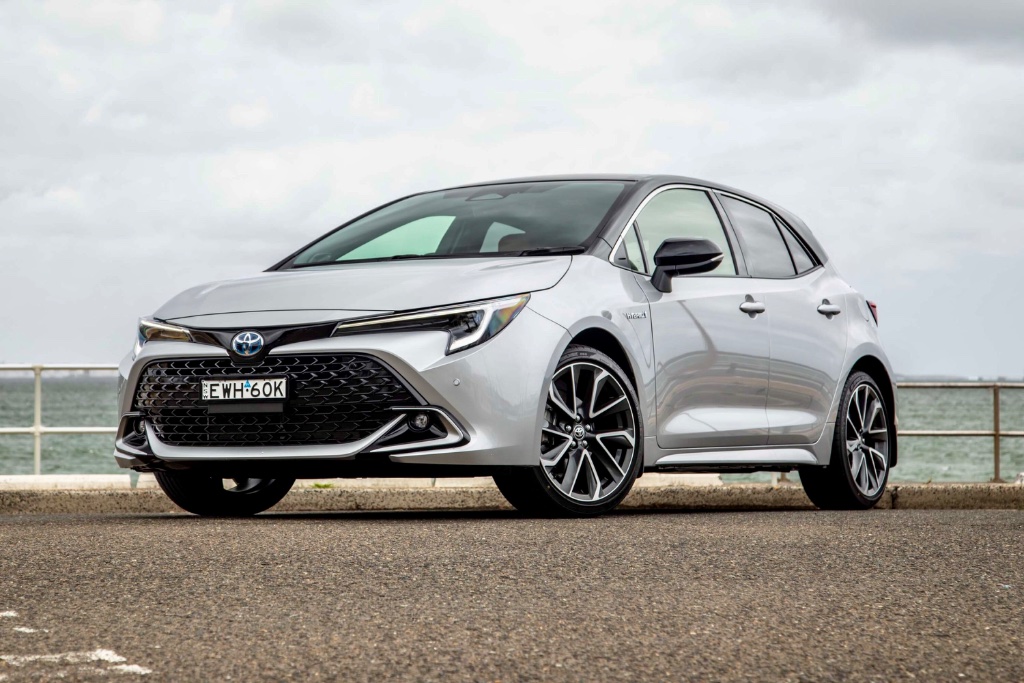

Drive Select Finance compares 30+ lenders to secure vehicle and asset finance rates from 5.68% p.a., with fast 24-48 hour approvals and zero credit score impact on initial quotes for customers across Australia. A complete guide to comparing car loans in Sydney — how car finance works, what lenders assess, and how to apply online with confidence.
Buying a car in Sydney can be exciting, but arranging the finance can feel less straightforward. Buyers may need to compare banks, specialist lenders, dealer finance offers and broker-assisted options while also deciding how much to borrow, what loan term to choose and whether the advertised rate represents good overall value.
The right car loan is not simply the option with the smallest weekly repayment or the lowest headline interest rate. A suitable car finance structure should fit your budget, support the way you intend to use the vehicle and remain manageable over the full loan term.
Whether you are buying a new family SUV, a used hatchback, a work ute or a vehicle through a private seller, understanding the car loan process before you apply can help you make a more informed decision.
This guide explains how car loans in Sydney work, how to compare car finance options, what lenders commonly assess and how to apply online with greater confidence. If you'd prefer to jump straight to comparing rates, see our Sydney car loans page.
Car Loans in Sydney: What Are Your Options?
Sydney borrowers can access car finance through several channels. These may include major banks, credit unions, specialist vehicle lenders, dealership finance providers and finance brokers with access to a lender panel.
Each option has potential advantages and limitations. A bank may be familiar and convenient if you already hold accounts there, but it may only offer its own products. Dealer finance can be arranged at the point of sale, but the offer still needs to be compared carefully. A finance broker can assess your circumstances and compare eligible options across multiple lenders rather than relying on a single provider.
The most suitable channel depends on your financial profile, the vehicle, the purchase method and the features you value.
Bank, lender, dealer or finance broker
When comparing car loans in Sydney, consider the breadth of options available.
A direct lender provides one set of products under its own credit policy. A dealership may introduce finance as part of the vehicle purchase, which can be convenient when you are ready to buy. A car finance broker can help you compare products from a panel of lenders and explain differences in rates, fees, loan terms and eligibility.
Convenience matters, but it should not replace comparison. Before accepting any offer, review the total repayment amount, comparison rate, fees, early payout conditions and any balloon or residual amount.
New, used and private-sale car finance
Car loans may be available for new vehicles, used vehicles purchased from a licensed dealer and eligible vehicles bought through a private seller.
New vehicles may attract different lender policies because of their age, value and condition. Used-car finance can involve additional consideration of the vehicle's age, kilometres, market value and expected age at the end of the loan term. Private-sale finance may require ownership checks, vehicle identification details and a different settlement process.
The vehicle should be confirmed as acceptable to the lender before you commit to the purchase. A pre-approval may establish an indicative budget, but final approval usually depends on the selected vehicle satisfying the lender's requirements.
💡 Broker Insight
Start with the budget and finance structure, not the vehicle. Establishing a comfortable repayment range before visiting dealerships can reduce the risk of choosing a car that places unnecessary pressure on your finances.
How Car Loans Work
A car loan allows you to borrow money to purchase a vehicle and repay the amount over an agreed term. Repayments generally include principal, interest and any fees incorporated into the loan.
The lender assesses both the applicant and the vehicle. If the loan is secured, the vehicle is commonly used as security for the finance. This means the lender may have rights over the vehicle if the loan obligations are not met.
The final cost depends on several variables, including the amount borrowed, interest rate, fees, loan term, repayment frequency and whether a balloon payment is included. See our guide on balloon payments explained for more detail.
Loan amount, term and repayments
The loan amount may include the vehicle purchase price and, subject to lender policy, certain eligible costs. A deposit or trade-in can reduce the amount financed.
Car loan terms commonly extend across several years. A longer term may reduce each repayment, but it can increase the total interest paid because the debt remains outstanding for longer. A shorter term generally creates higher repayments but may reduce the overall borrowing cost.
Use our loan calculator to test different amounts, terms, rates and repayment frequencies. The result is an estimate rather than a formal quote, but it can help you identify a realistic range before applying.
Secured and unsecured finance
A secured car loan uses the vehicle as security. Because the lender has security over the asset, secured loans may have different rates and lending criteria from unsecured personal loans.
An unsecured loan does not rely on the vehicle as security, but it may have different pricing, loan limits and eligibility requirements. The more suitable structure depends on the vehicle, how it is being purchased and your financial circumstances.
Do not assume one structure is automatically cheaper. Compare the rate, comparison rate, fees and total repayments for the specific offers available to you.
Fixed and variable rates
A fixed-rate car loan generally keeps the interest rate and scheduled repayment consistent for the fixed period or loan term. This can make budgeting easier because the required repayment is predictable.
A variable rate may move over time. This can create more uncertainty, although the loan may offer different features or flexibility.
The rate type is only one part of the comparison. Check whether additional repayments are permitted, whether early payout costs apply and whether a redraw facility is available. For a full breakdown of which suits your situation, see our guide on fixed vs variable car loans.
How to Compare Car Finance in Sydney
A meaningful car finance comparison should use the same loan amount, term and repayment frequency across each option. Comparing one five-year loan against another seven-year loan based only on the repayment amount can be misleading.
Ask for a personalised comparison that clearly shows the rate, comparison rate, establishment fees, monthly fees, total repayments and any amount due at the end of the term. Our full explainer on car loan interest rates covers this in more depth.
Interest rate versus comparison rate
The interest rate determines how interest is calculated on the loan, while the comparison rate is designed to reflect the interest rate plus most fees and charges for a prescribed example.
The comparison rate can be useful when comparing products, but it does not capture every possible cost or feature. It may not reflect your exact loan amount or term, and certain costs may be excluded.
Use the comparison rate as one tool rather than the only decision factor. Review the actual loan quote and contract for the total amount payable under your proposed structure.
Fees, flexibility and total repayments
Two loans with similar rates can have different overall costs. Common charges may include establishment fees, monthly account fees, broker or introducer fees where applicable, late payment fees and early termination or payout costs.
Flexibility can also have value. A loan that allows extra repayments without significant restrictions may suit a borrower who expects to pay the debt down faster. Another borrower may prioritise a lower scheduled repayment or a specific term.
Compare the full finance package rather than focusing on a single number.
Loan term and balloon payments
Extending the loan term can lower the regular repayment, but it usually increases the time over which interest accrues. The car may also depreciate faster than the loan balance falls, particularly during the earlier years.
A balloon payment is a lump sum remaining at the end of the term. Including a balloon can reduce regular repayments because part of the principal is deferred. However, you will need a strategy for the final amount, such as paying it from savings, refinancing subject to approval or selling or trading the vehicle.
A balloon should be selected deliberately, not simply because it produces a lower advertised repayment.
💡 Pro Tip
Ask for every option to be modelled using the same vehicle price, deposit, term and repayment frequency. Then compare the total amount payable and the amount still owing at the end.
How to Apply for Car Finance Online
Online car finance applications can make it easier to begin the process from home, work or while you are searching for a vehicle. A well-designed application should collect enough information to assess your position without requiring you to visit a branch.
Before applying, confirm your estimated purchase budget and prepare accurate information about your income, employment, living expenses, debts and assets. Providing complete information at the beginning can reduce follow-up questions and delays.
Information and documents commonly required
Applicants may be asked to provide identification, employment details, income evidence, bank statements and information about existing liabilities. Self-employed applicants may need business financial information such as tax returns, BAS statements, financial accounts or business bank statements, depending on the lender. See our guide on self-employed car loans and ABN car loans for more detail on business-use finance.
The exact requirements vary according to the applicant, lender and loan type. Upload clear, complete documents and ensure names, addresses and figures are consistent across the application.
Pre-approval versus final approval
Car loan pre-approval can provide an indicative borrowing limit before you choose a vehicle. This can help you shop within a defined budget and negotiate with greater confidence. Our car loan pre-approval guide covers this in full.
Pre-approval is generally conditional. Final approval may depend on the selected vehicle, verification of your information, updated financial checks and satisfaction of the lender's credit requirements.
Avoid treating an indicative result as a guarantee. Do not enter an unconditional purchase commitment until the relevant finance conditions are understood.
What happens after approval
Once the loan is approved and the vehicle is accepted, the lender or broker coordinates the remaining documentation and settlement requirements.
You may need to sign a loan contract, provide comprehensive insurance evidence for a secured loan and confirm the seller's payment details. For a dealership purchase, the lender may settle directly with the dealer. Private-sale transactions may require additional verification before funds are released.
Read the contract carefully before signing. Confirm the repayment amount, frequency, first payment date, interest rate, fees, total amount payable and early payout conditions.
What Lenders Consider
Lenders assess whether the proposed car loan is suitable and affordable based on the information available. Approval is not based on income alone.
The assessment commonly considers your financial position, credit history, employment or business stability, current commitments and the vehicle being financed.
Income and employment
Lenders generally look for income that can be demonstrated and is sufficient to support the proposed repayments. PAYG employees may provide payslips and bank statements. Casual employees, contractors and self-employed applicants may be assessed using different evidence.
Length of employment can be relevant, but a recent job change does not automatically mean an application will fail. The lender considers the full context, including industry, prior employment, probation status and income consistency.
Living expenses and existing debts
Your existing commitments reduce the income available for a new car loan. Lenders may review home loans, personal loans, credit cards, buy now pay later facilities, child support, rent and household expenses.
Credit card limits can affect borrowing capacity even when the balance is low, because the lender may assess the potential obligation associated with the limit.
Use realistic expense figures. Understating expenses can lead to further questions and may result in an unsuitable repayment expectation.
Credit history and recent applications
Your credit report may show repayment history, account limits, defaults, enquiries and other credit information. A strong history of meeting commitments can support an application, while missed payments or multiple recent enquiries may require explanation.
Avoid submitting several applications simply to test the market. Each application may create an enquiry, and repeated enquiries over a short period can concern some lenders. A broker can help identify suitable options before a formal application is lodged.
The vehicle being financed
For secured car finance, the vehicle is part of the credit decision. Lenders may consider its age, kilometres, condition, market value, purchase source and whether it is listed as written off, stolen or encumbered.
The purchase price should be supported by the vehicle's market value. If the amount financed is significantly higher than the value, a deposit may be required or the structure may need to change.
How to Improve Your Car Loan Application
Preparation cannot guarantee approval, but it can make the process clearer and more efficient.
Start by checking that your identification and contact details are current. Review your budget, list all debts and limits, and calculate a repayment that remains comfortable after allowing for insurance, registration, fuel, servicing, tolls and parking.
Reduce unnecessary short-term debt where practical and avoid taking on new commitments immediately before applying. Make payments on time and resolve any errors on your credit file.
Choose a vehicle within a sensible range. A lender is more likely to view an application favourably when the purchase price, deposit and repayments align with the applicant's income and overall financial position.
Provide requested documents promptly and explain unusual items, such as a recent job change, a one-off expense or variable income. Clear context is more useful than leaving the lender to infer what happened.
Dealer Finance vs a Sydney Car Finance Broker
Dealer finance is offered at the dealership and may be convenient when you are finalising a vehicle purchase. Promotional rates may be available on selected models, but the complete offer should be reviewed, including the vehicle price, fees, balloon amount, trade-in value and eligibility conditions.
A Sydney car finance broker can compare eligible products across a panel of lenders and help structure the application before you commit to a vehicle. The broker may also manage communication, documentation and settlement. See our full comparison of dealer finance vs a finance broker.
Neither channel is automatically best for every borrower. The practical question is whether the offer suits your circumstances and compares favourably on total cost, flexibility and service. If you've decided a broker is the right route, see our guide on how to choose the best car finance broker in Sydney.
Keep the vehicle negotiation and finance comparison as separate as possible. A low promotional rate may be offset by a higher vehicle price, reduced discount or different fees. Compare the complete transaction.
⚠️ Common Mistake
Choosing finance based only on the weekly repayment. A lower repayment may be produced by a longer term or balloon payment and can result in a higher total cost or a substantial amount remaining at the end.
Common Car Finance Mistakes
Applying before checking your budget: A lender may approve an amount that is higher than the repayment you would personally find comfortable. Base your target on your real household budget, not simply the maximum amount available.
Focusing only on the advertised low rate: Low-rate car finance advertising can be useful for identifying potential options, but the rate offered to an individual may depend on the applicant, vehicle and product. Review the comparison rate, fees and personalised quote.
Making multiple applications: Submitting applications to several lenders can create multiple credit enquiries. Compare options first and lodge a targeted application with a lender whose criteria appear suitable.
Ignoring the vehicle's total ownership cost: Repayments are only one part of the expense. Budget for comprehensive insurance, registration, fuel or charging, servicing, tyres, parking and tolls.
Signing before finance is confirmed: Understand the finance condition in the purchase contract. An unconditional commitment can expose you to risk if the application is declined or the vehicle is unacceptable to the lender.
Car Loans Sydney FAQs
Can I apply for a car loan online in Sydney? Yes. Many lenders and finance brokers allow you to begin a car finance application online. You may be able to submit details, upload documents and communicate electronically throughout the process, subject to verification and lender requirements.
How do I compare low-rate car loans? Compare personalised options using the same loan amount, term and repayment frequency. Review the interest rate, comparison rate, fees, total repayments, early payout conditions and any balloon payment.
Can I get finance for a used car? Used-car finance is available for many eligible vehicles. Lenders may consider vehicle age, kilometres, value, condition and age at the end of the proposed term. See our guide comparing new vs used car finance.
Can I finance a car bought from a private seller? Many lenders can finance eligible private-sale vehicles. Additional checks may be required to verify ownership, vehicle identity, encumbrances and seller payment details.
Does pre-approval guarantee my car loan? No. Pre-approval is generally conditional and subject to final assessment, document verification and acceptance of the selected vehicle.
Is a finance broker better than a bank? A broker can compare eligible options from multiple lenders, while a bank generally offers its own products. The better choice depends on the available offer, your circumstances and the service you require.
What credit score do I need for car finance? There is no single score that guarantees approval across all lenders. Lenders consider the broader credit report, income, expenses, debts, repayment history, vehicle and proposed loan structure.
How quickly can a car loan be approved? Timeframes vary. A complete application with clear documents may be assessed faster than an application requiring additional information. Final settlement also depends on the vehicle and seller documentation.
Compare Car Loans and Apply Online with Drive Select Finance
Finding suitable car finance in Sydney starts with a clear budget and a genuine comparison of the options available to you.
Drive Select Finance helps customers compare car loan options across a broad lender panel for new, used, dealer and eligible private-sale vehicles. The process can begin online, with support from an experienced finance broker through application, assessment and settlement.
Before applying, use the loan calculator to estimate repayments, review the Car Loans page to understand the available options, or visit our dedicated Car Loans Sydney page, and gather your income and identification documents.
When you are ready, request a personalised quote or apply online. The objective is not simply to obtain an approval, but to arrange a car finance structure that suits the vehicle, your budget and your longer-term financial position.
Related Sydney and NSW guides: car finance pre-approval in Sydney & NSW and self-employed car finance in Sydney & NSW.
Get a free, no-obligation quote today
30+ lenders compared. No credit impact. Expert brokers ready to help.